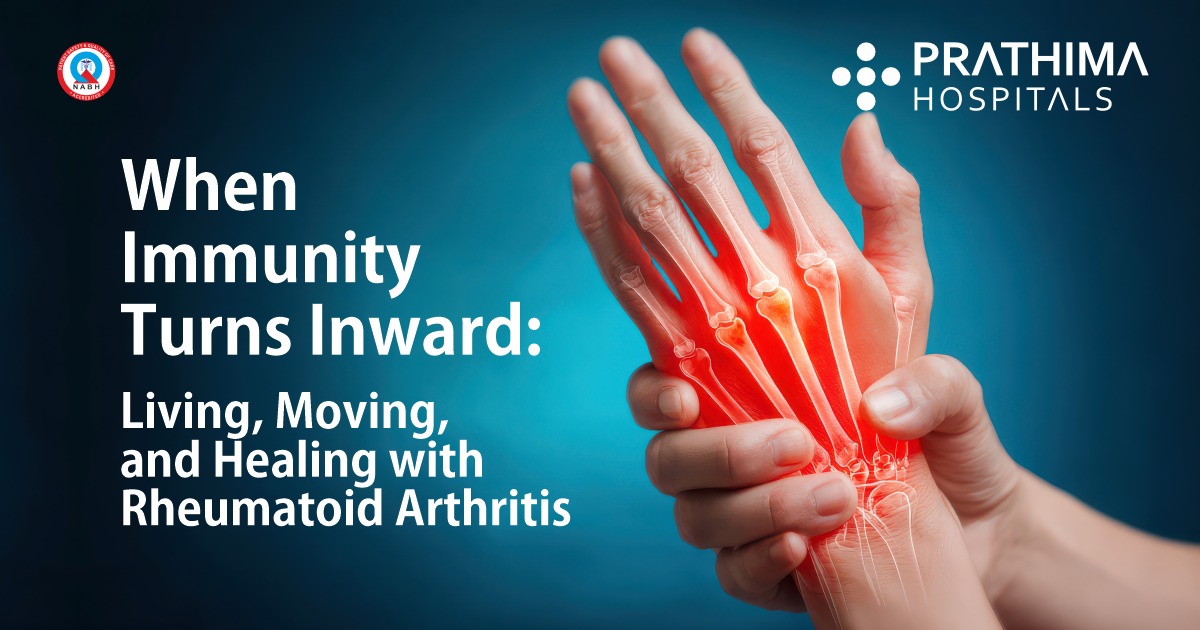
When Immunity Turns Inward: Living, Moving, and Healing with Rheumatoid Arthritis
Understanding Symptoms and Advances in Treatment
Rheumatoid Arthritis Symptoms Treatment is often discussed as if rheumatoid arthritis (RA) is “just joint pain,” but anyone living with it knows the reality is far more complex. RA is a chronic condition that doesn’t knock once and leave; it stays, reshapes daily routines, tests patience, and demands long-term resilience. As we step into February 2026—a time globally associated with reflection on long-term health, balance, and mindful living—rheumatoid arthritis reminds us of an important truth: chronic illness management is not only about controlling disease activity, but about sustaining quality of life.
This blog takes a fresh, medically grounded yet human-centered look at rheumatoid arthritis—what it truly is, how it affects the body beyond joints, how individuals adapt to living with RA, and how modern medicine is transforming outcomes. With advanced care available at the Best Hospital in Kachiguda and access to multidisciplinary expertise from the Best Orthopedic Hospital in Hyderabad, patients today have more effective options for early diagnosis, symptom control, and long-term rheumatoid arthritis treatment than ever before.
Understanding Rheumatoid Arthritis: More Than Joint Disease
Rheumatoid arthritis is a chronic autoimmune inflammatory disorder. In simple terms, the body’s immune system, meant to protect, mistakenly attacks its own tissues, primarily the synovial lining of joints. This leads to inflammation, pain, swelling, and progressive joint damage.
Unlike wear-and-tear arthritis (osteoarthritis), RA:
- Can begin at any age
- Often affects both sides of the body symmetrically
- Is systemic, meaning it can involve multiple organs, not just joints
RA commonly targets:
- Small joints of the hands and feet
- Wrists, elbows, knees, ankles
- Cervical spine (neck) in advanced stages
Left uncontrolled, the inflammatory process can erode cartilage and bone, causing deformities and loss of function.
Why Does Rheumatoid Arthritis Happen?
There is no single cause, but RA develops due to a combination of factors:
- Immune Dysregulation
The immune system wrongly identifies joint tissue as a threat and releases inflammatory chemicals like cytokines (TNF-alpha, IL-6), which drive joint destruction.
- Genetic Susceptibility
Certain genes, especially HLA-DR4, increase risk, but genes alone don’t guarantee disease.
- Environmental Triggers
Smoking, chronic stress, infections, and hormonal factors may act as triggers in genetically susceptible individuals.
- Gender and Hormones
Women are affected 2–3 times more than men, suggesting a hormonal influence.
The Early Clues the Body Gives
RA rarely starts dramatically. Often, it whispers before it shouts.
Common early features include:
Persistent joint stiffness, especially after rest
- Swelling of small joints
- Fatigue that feels disproportionate to activity
- Low-grade fever or general unwell feeling
A hallmark feature is morning stiffness lasting more than an hour, improving gradually with movement.
Rheumatoid Arthritis Is a Whole-Body Condition
One of the most overlooked aspects of RA is its systemic nature.
RA may affect:
- Lungs: Interstitial lung disease, pleural effusions
- Heart: Increased risk of cardiovascular disease
- Eyes: Dry eyes (secondary Sjögren’s syndrome)
- Skin: Rheumatoid nodules
- Blood vessels: Vasculitis in severe disease
This is why RA management goes far beyond pain relief.
The Emotional and Social Weight of RA
Chronic pain reshapes identity. Many people with RA experience:
- Anxiety about flare-ups
- Frustration over unpredictable symptoms
- Guilt over reduced productivity
- Fear of dependency
February 2026’s broader health narrative emphasizes mental well-being alongside physical health, and care at the best hospital in Kukatpally highlights that emotional support is not optional—it is therapeutic.
Living with RA requires adjustment, not surrender.
Diagnosis: Piecing the Puzzle Together
There is no single definitive test for rheumatoid arthritis.
Diagnosis is based on:
- Clinical symptoms and joint examination
- Blood tests (Rheumatoid Factor, Anti-CCP antibodies, ESR, CRP)
- Imaging (X-rays, ultrasound, MRI to detect joint damage or synovitis)
- What matters most is pattern recognition over time, not isolated test results.
Modern Treatment: Changing the Course of Disease
RA treatment has transformed dramatically over the last two decades. The goal today is not just symptom control but disease remission or low disease activity.
- Disease-Modifying Anti-Rheumatic Drugs (DMARDs)
Methotrexate remains the cornerstone
Others include leflunomide, sulfasalazine, and hydroxychloroquine
- Biologic Therapies
Target specific immune pathways:
- TNF inhibitors
- IL-6 inhibitors
- B-cell and T-cell modulators
- Targeted Synthetic DMARDs
JAK inhibitors offering oral treatment options
- Supportive Therapies
- Physiotherapy
- Occupational therapy
- Pain management strategies
Treatment plans are individualized, based on disease severity, associated comorbidities, and patient lifestyle, ensuring personalized care at the best hospital in Kachiguda for effective long-term rheumatoid arthritis management.
Movement: The Medicine Often Feared but Needed
Pain makes people avoid movement, but inactivity worsens stiffness and muscle weakness.
Recommended activities include:
- Gentle stretching
- Range-of-motion exercises
- Low-impact activities like swimming or walking
- Hand-strengthening exercises
The key is consistent, guided movement, not overexertion.
Nutrition and RA: Support, Not Cure
No diet cures RA, but food choices can influence inflammation and energy levels.
Helpful principles:
- Anti-inflammatory foods (fruits, vegetables, omega-3-rich foods)
- Adequate protein for muscle health
- Limiting processed foods and excess sugar
- Nutrition works best as a supportive pillar, alongside medical care.
Work, Family, and RA: Redefining Productivity
RA often affects people during their most productive years. Adjustments, not withdrawal, are the answer:
- Flexible work schedules
- Ergonomic modifications
- Honest communication with employers and family
- Productivity should be measured in sustainability, not exhaustion.
- Living with Flares and Remission
- RA is a condition of ups and downs.
- Flares bring increased pain, swelling, and fatigue
- Remission allows near-normal functioning
Learning to recognize triggers, respecting rest during flares, and resuming activity during remission is part of long-term self-management.
Living Long, Living Well
The health focus of February 2026 aligns with a powerful idea: chronic conditions require continuity of care, not crisis-driven care. Rheumatoid arthritis teaches patience, adaptability, and self-awareness.
It also highlights how far medicine has come: RA no longer automatically means deformity or disability. With informed care and consistent follow-up, many people lead active, fulfilling lives.
Strength Is Not the Absence of Pain
Rheumatoid arthritis changes the body, but it also reshapes perspective. It teaches people to listen deeply to their bodies, to value small victories, and to redefine strength.
Strength is not waking up pain-free every day.
Strength is showing up despite uncertainty.
Strength is learning when to move, when to rest, and when to ask for help.
As February 2026 reminds us to think long-term about health, rheumatoid arthritis stands as a powerful example of why care must be continuous, compassionate, and collaborative. With the right medical guidance, advanced treatment options, and strong personal support from the best hospital in Kukatpally and the best hospital in Telangana, RA does not have to limit life; it simply asks for a different rhythm—one focused on balance, consistency, and long-term quality of living.
And sometimes, finding that rhythm is its own kind of healing.
.
.
For More Details:
 733 733 6600 | 040 4345 4345
 https://prathimahospitals.com/book-appointment/