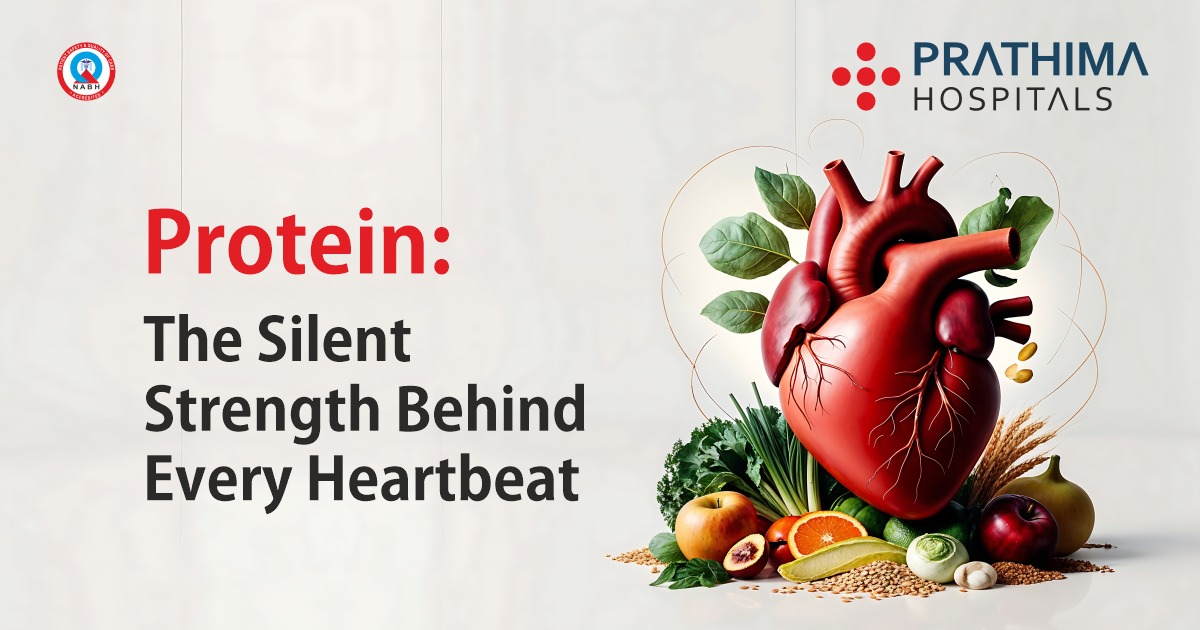
Protein: The Silent Strength Behind Every Heartbeat
Building Stronger Bodies Through Balanced Nutrition
World Protein Day 2025, Nourishing Health, One Plate at a Time
Every year, World Protein Day reminds us of something simple yet powerful. The food we choose today shapes the health we live with tomorrow. While trends come and go, one nutrient continues to stand quietly at the center of growth, repair, strength, and survival: protein.
Understanding Protein benefits for heart and immunity is essential in today’s fast-paced world. Adequate protein intake not only supports muscle strength and tissue repair but also plays a crucial role in maintaining cardiovascular health and strengthening the immune system. When included consistently in daily meals, protein becomes a foundation for long-term wellness and resilience across every stage of life.
In hospitals, we often see patients focusing on sugar levels, cholesterol numbers, and blood pressure readings, but rarely do they ask, “Am I eating enough protein?” And yet, from a newborn baby to an elderly grandparent, from a recovering surgical patient to a working professional battling fatigue, protein plays a role in every stage of life.
This year’s global conversation gently emphasizes building awareness, improving access, and encouraging smarter nutrition choices. The message is clear: better protein awareness means stronger communities.
At Prathiuma Hospitals, clinicians regularly observe that patients with balanced nutrition recover faster and regain strength sooner. Healthcare experts, including the Best Dietitian in Hyderabad, emphasize that nutrition is not separate from treatment — it is a foundation for recovery, immunity, and long-term wellness.
Why Protein Matters More Than We Think?
Protein is not just about muscles or gym routines. It is the structural and functional foundation of the human body.
Every cell in your body contains protein. Your:
- Muscles
- Skin
- Hair
- Nails
- Blood
- Hormones
- Enzymes
- Immune cells
all depend on it.
Proteins are made up of amino acids, often called the “building blocks of life.” Some amino acids are produced by our body, but essential amino acids must come from food. Without adequate intake, the body begins to compromise on repair, immunity, and strength.
In simple words, protein helps you heal, grow, fight infection, and stay active.
The Hidden Protein Gap
In many households, especially in developing regions, diets are rich in carbohydrates but low in quality protein. Rice, wheat, and starch-based foods dominate plates, while pulses, dairy, eggs, and lean meats may be limited.
This imbalance can silently lead to:
- Muscle weakness
- Poor wound healing
- Hair fall
- Frequent infections
- Fatigue
- Delayed recovery after illness
Clinicians, including the Best Cardiologist in Kachiguda, frequently observe that patients with better nutritional status recover faster after illness or procedures.
The concern is not just about quantity, but quality and distribution throughout the day.
Protein Across Life Stages
- Infants and Children
Growing bodies demand adequate protein for height, weight gain, brain development, and immunity. Inadequate intake can affect school performance and resistance to infections.
Simple additions like:
- Dal with rice
- Curd
- Paneer
- Eggs
- Sprouted legumes
can make a measurable difference.
- Adolescents
Teenage years bring rapid growth and hormonal changes. Protein supports muscle development, skin health, and overall stamina. Skipping meals or relying on processed snacks often reduces daily intake.
Balanced meals matter more than trendy supplements.
- Pregnant and Lactating Women
Protein is vital for fetal growth, placental development, and maternal health. Inadequate intake increases the risk of low birth weight and maternal weakness.
Adding one extra protein portion daily, such as milk, egg, or dal, can significantly support both mother and baby.
- Adults
Working adults often complain of tiredness, back pain, and slow recovery after minor illnesses. Sometimes, the missing element is simply protein distribution.
Instead of consuming most protein in dinner alone, spreading it across breakfast, lunch, and dinner improves absorption and utilization.
- Elderly Population
After the age of 40, muscle mass gradually declines, a condition known as sarcopenia. Reduced appetite further decreases intake.
Elderly individuals benefit from:
- Soft protein sources like curd, dal, and khichdi
- Small frequent meals
- Protein-rich snacks like roasted chana or peanuts
- Maintaining muscle strength prevents falls, fractures, and hospital admissions.
Protein and Immunity
Antibodies are proteins. When your body fights infection, it depends on protein availability.
Low protein intake weakens the immune response, making individuals more prone to:
- Recurrent infections
- Slow wound healing
- Prolonged illness duration
- In post-surgical patients and those recovering from viral illnesses, protein becomes even more crucial.
Protein and Chronic Diseases
Many people believe protein should be avoided in diabetes or heart disease. That is a misconception.
In fact:
- Adequate protein helps stabilize blood sugar levels.
- It supports muscle maintenance in diabetics.
- Lean protein options reduce unhealthy snacking.
- Balanced intake aids weight management.
However, patients with kidney disease should consult their physician for individualized guidance.
How Much Protein Do We Need?
On average, a healthy adult requires about 0.8–1 gram of protein per kilogram of body weight per day. That means a 60 kg adult needs approximately 48–60 grams daily.
But needs increase in:
- Pregnancy
- Lactation
- Surgery recovery
- Infections
- Athletes
- Elderly
The goal is not excess, but adequacy. Meeting the right daily protein requirement plays a vital role in overall wellness and clearly reflects The Benefits of a Healthy Lifestyle, including better immunity, improved muscle strength, faster recovery, and sustained energy levels.
Affordable and Accessible Protein Sources
Protein does not have to be expensive. Many local, culturally familiar foods are excellent sources.
Vegetarian Sources:
- Moong dal
- Toor dal
- Rajma
- Chole
- Paneer
- Curd
- Soy products
- Groundnuts
- Seeds
Non-Vegetarian Sources:
- Eggs
- Chicken
- Fish
- Lean meat
Combining cereals with pulses, like dal with rice or roti with chole, iimprovesprotein quality through complementary amino acids.
Protein Distribution: A Practical Approach
Instead of eating one protein-heavy meal, try distributing your intake evenly throughout the day. Many heart specialists, including the Best Cardiologist in Kukatpally, recommend balanced meal timing to support metabolism, energy levels, and cardiovascular health.
- Breakfast: Milk, egg, paneer sandwich, or sprouts
- Lunch: Dal, curd, or lean meat
- Evening: Roasted chana or peanuts
- Dinner: Balanced portion of pulses or protein with vegetables
This ensures steady amino acid availability throughout the day.
Signs You May Be Low on Protein
Many people ignore subtle warning signs:
- Constant fatigue
- Brittle nails
- Hair thinning
- Swelling in feet
- Muscle loss
- Slow recovery from illness
If these persist, nutritional evaluation is important.
Protein and Hospital Recovery
In clinical practice, one pattern is clear: patients with better nutritional status recover faster.
Post-surgery wounds heal more efficiently.
Cancer patients tolerate therapy better.
Fractures mend with improved muscle support.
Elderly patients regain mobility more quickly.
Nutrition is not a side note; it is part of treatment.
Myths Around Protein
Myth 1: Only gym-goers need protein.
Fact: Every human body requires it daily.
Myth 2: High protein always harms the kidneys.
Fact: In healthy individuals, recommended intake is safe.
Myth 3: Vegetarian diets cannot meet protein needs.
Fact: With proper combinations, they absolutely can.
Education is the first step toward healthier plates.
Building a Protein-Conscious Community
When awareness increases:
- Families plan balanced meals.
- Schools incorporate protein education.
- Hospitals counsel patients on diet.
- Communities reduce hidden malnutrition.
Protein is not just an individual concern; it is a public health priority.
Small actions matter:
- Adding one egg daily.
- Including dal in both meals.
- Encouraging elderly family members to eat protein-rich snacks.
- Teaching children about balanced nutrition early.
- Change begins at the dining table.
A Gentle Reminder: This World Protein Day
Food is more than taste; it is medicine in its simplest form. As healthcare professionals, we see firsthand how nutrition shapes recovery, strength, and resilience.
World Protein Day is not about promoting supplements or expensive products. It is about awareness. It is about ensuring no child sleeps protein-deficient, no elderly person loses strength silently, and no patient’s recovery is delayed due to nutritional neglect.
When we nourish properly, we protect our futures.
Stronger Bodies, Stronger Tomorrow
Protein works quietly. It does not demand attention. It does not trend on social media. Yet it builds muscles that help us walk, antibodies that help us fight, enzymes that keep our organs functioning, and tissues that heal after injury.
At the Best hospital in Telangana, and Best Cardiologist in Hyderabad, healthcare professionals consistently emphasize that proper nutrition is not just supportive care — it is an essential part of treatment, recovery, and long-term wellness.
On this World Protein Day, let us look beyond calories and focus on quality. Let us build plates that support growth, immunity, and dignity across every age group.
Because when a community understands protein, it builds not just healthier individuals, but a stronger generation.
One balanced meal at a time.
.
.
For More Details:
 733 733 6600 | 040 4345 4345
 https://prathimahospitals.com/book-appointment/