Clean Hands, Safer Lives: A Fresh Look at National Handwashing Global Week
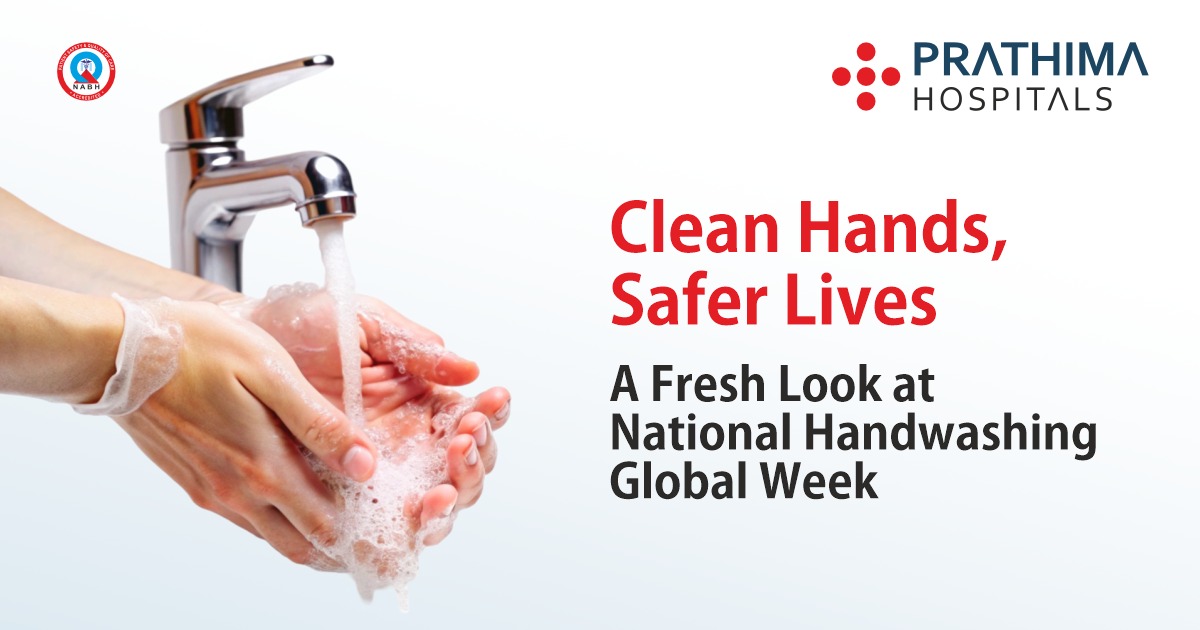
National Handwashing Global Week highlights the importance of clean hands, infection prevention.
Handwashing is one of the simplest human actions, yet it saves more lives than many medical inventions. Every year, National Handwashing Global Week serves as a reminder that health protection starts with our hands. In a world where infections travel silently, clean hands act as the first line of defence. From hospitals to homes, schools to markets, hand hygiene has never been as relevant as it is today.
Despite decades of awareness, millions still skip handwashing at critical moments. Many know the benefits, yet overlook this small step due to habit, time constraints, or misinformation. This observance week offers an opportunity to revive the message, correct misconceptions, and reinforce a culture of safety. At Prathima Hospitals, recognised as the Best Hospital in Kukatpally, continuous awareness and community education remain a priority to promote safe hygiene practices and better public health.
This blog explores the importance of hand hygiene, the science behind soap and water, the gaps that still exist, and what individuals, families, healthcare providers, and institutions can do to strengthen this foundational health practice.
Why Handwashing Matters More Than Ever?
Hands are powerful tools, but they are also quick carriers of germs. From door handles to currency notes, mobile screens to hospital surfaces, microorganisms travel effortlessly. Many infections that appear “sudden” actually begin with contaminated hands.
Studies show that proper handwashing can:
- Reduce diarrhoeal diseases by nearly half
- Prevent respiratory infections by at least 20–30%
- Cut down transmission of hospital-acquired infections
- Protect vulnerable groups such as children, older adults, and immunocompromised individuals
- Reduce antibiotic usage, thereby slowing the rise of drug-resistant bacteria
When the human body encounters germs repeatedly due to poor hygiene, immunity weakens, and the infection burden increases. In communities with limited healthcare access, a simple habit like handwashing can significantly reduce disease outbreaks.
Understanding How Germs Travel
Germs spread through various pathways. Many people associate infection strictly with coughing or sneezing, but hands play a major role in transporting microbes from the environment to the body.
Common routes of transmission include:
-
- Touching contaminated surfaces and then touching the face
- Handling food without washing hands
- Caring for sick individuals without proper hygiene
- Using restrooms and skipping handwashing afterward
- Handling pets or waste
- Touching wounds without clean hands
A single touch can transfer thousands of microbes. Germs thrive on warm, moist skin, making hands ideal carriers. That is why frequent, correct handwashing protects both the individual and the people around them.
Soap: Why It Works So Well
Soap is more than a cleansing agent; it is a chemical tool designed to break down germs effectively.
Here’s how it works:
- Many viruses and bacteria have a fatty outer layer.
- Soap molecules attach to this layer and break it apart.
- Friction during scrubbing physically removes microbes from the skin.
- Rinsing washes them off completely.
This action cannot be replicated by water alone. Even alcohol-based sanitizers cannot fully remove dirt, chemicals, or certain microbes from hands. Soap remains the gold standard.
When Should You Wash Your Hands?
National Handwashing Global Week highlights the “critical moments” when handwashing is essential:
- Before eating or touching food
- After using the toilet
- After coughing, sneezing, or blowing the nose
- After touching surfaces in public spaces
- Before and after caring for sick individuals
- Before and after treating wounds
- After handling garbage, pets, or outdoor objects
- After returning home from outside
These moments help break the chain of infection. Skipping hand hygiene even once in these situations creates room for illness.
Handwashing in Children: Building a Habit Early
Children have natural curiosity; they touch surfaces, objects, and their faces repeatedly. Schools, parks, and play areas become hotspots for germ transmission. Teaching handwashing early in life builds lifelong healthy habits.
Key points for children:
- Make handwashing fun with songs, counting, or colorful soap.
- Demonstrate the correct method.
- Encourage washing before meals and after play.
- Teach them to avoid touching their eyes, nose, and mouth.
- Guide them to carry hand sanitizers to school if water is not readily available.
- Parents and educators play a major role in shaping hand hygiene behaviour. Consistency builds immunity.
Healthcare Settings: Where Handwashing Saves Lives Every Minute
Hospitals depend heavily on hand hygiene, and leading institutions like Prathima Hospitals, recognised as the Best Hospital in Kachiguda, strictly follow global hygiene standards to safeguard patients and staff. Doctors, nurses, technicians, housekeeping staff, and visitors must adhere to rigorous hygiene protocols to prevent infections.
Proper handwashing in healthcare:
- Prevents hospital-acquired infections
- Reduces the spread of drug-resistant organisms
- Protects newborns, ICU patients, surgical patients, and the elderly
- Boosts patient safety and recovery outcomes
Healthcare professionals often follow the “Five Moments for Hand Hygiene” approach, emphasising handwashing before touching patients, before procedures, after exposure to bodily fluids, after touching patients, and after touching patient surroundings.
A single missed step can lead to complications. Hence, healthcare facilities like the Best Hospital in Kachiguda invest in awareness sessions, strict monitoring, and regular audits to maintain the highest safety standards.
Handwashing at Home: The Foundation of Community Health
Many diseases begin inside households where people overlook simple hygiene practices.
At home, handwashing should be:
- A routine for all family members
- Practised before handling food
- Taught to children through repetition
- Ensured during illness within the family
- Reinforced during seasonal infection outbreaks
- Installing soap dispensers, keeping sinks clean, and providing children with their own small soap bars or fun-shaped soaps encourage daily practice.
The Right Way to Wash Hands
Although millions wash hands daily, many do it incorrectly or too quickly.
The correct method includes:
- Wet hands thoroughly under clean water
- Apply enough soap to create lather
- Rub both palms
- Clean the back of hands
- Scrub between fingers
- Clean thumbs
- Scrub fingertips and nails
- Rub wrists
- Rinse thoroughly
- Dry with a clean towel or air dry
This process should take at least 20 seconds. Rushing reduces effectiveness. Proper drying is crucial because germs spread more easily through wet hands.
Common Mistakes People Make
Despite knowing the importance, several errors reduce the effectiveness of handwashing:
- Using water only
- Washing for less than 10 seconds
- Forgetting to clean between fingers or under nails
- Touching dirty surfaces immediately after washing
- Using unclean towels
- Avoiding soap due to inconvenience
- Awareness and repetition correct these mistakes.
Hand Sanitizers: When to Use Them
Sanitizers are useful but cannot replace soap and water entirely. They should be used:
- When soap and water are unavailable
- While travelling
- In crowded public settings
- Before touching food outside
- After touching frequently used objects
However, sanitizers may not work well on visibly dirty or greasy hands. They also do not remove chemicals or certain pathogens. This makes soap the more reliable choice.
Global Gaps in Handwashing Access
While awareness is increasing, access remains uneven. Millions of people worldwide lack:
- Clean running water
- Affordable soap
- Hygienic sanitation systems
- Public handwashing stations
- Schools, rural areas, disaster zones, and underdeveloped regions face the highest challenges. Communities with poor access experience higher rates of infection, malnutrition, and child mortality.
National Handwashing Global Week calls attention to these inequalities and encourages governments, NGOs, and healthcare institutions to strengthen public health infrastructure.
Role of Institutions, Workplaces, and Schools
Large organisations can influence hand hygiene habits at a mass level. Their support creates sustainable changes.
Hospitals and Clinics
- Conduct awareness drives
- Install accessible handwashing stations
- Encourage patient education
- Schools and Colleges
- Include hand hygiene in daily routines
- Monitor children regularly
- Create engaging visual reminders
Workplaces
- Provide sanitizers at entrances and common areas
- Educate employees during seasonal illnesses
- Encourage sick-leave policies to prevent spread
- Community involvement transforms individual habits into universal culture.
Handwashing in Food Safety
The food industry relies heavily on hygiene. A small lapse can lead to foodborne outbreaks.
Food handlers must wash their hands:
- Before preparing food
- After touching raw meat
- After coughing or touching the face
- After using the restroom
- After touching surfaces or money
- Restaurants, street vendors, and home kitchens all share the responsibility. Proper hygiene ensures safe meals for everyone.
- Technology and Innovation in Hand Hygiene
Modern tools are enhancing hand hygiene practices:
- Smart dispensers that track usage
- Automated reminders in hospitals
- UV devices that show missed spots
- Sensor-based handwashing stations
- Touchless taps and dispensers
These innovations reduce contamination and encourage consistent handwashing.
Building a Culture of Clean Hands
Changing mindsets is as important as teaching the technique. People wash hands more often when:
- The environment supports it
- They understand the health impact
- Handwashing stations are visible and accessible
- Leaders, educators, and caregivers set examples
- Behaviour change campaigns must focus on motivation, accessibility, and consistency.
A Community Approach to Better Hygiene
Communities thrive when they work together. Handwashing campaigns during National Handwashing Global Week can include:
- Local awareness drives
- School competitions
- Community workshops
- Health talks by doctors
- Distribution of hygiene kits
- Setting up public handwashing points
- Each activity brings people closer to safer health practices.
Clean Hands Are a Shared Responsibility
Handwashing is not just a personal routine; it is a social responsibility. Every washed hand reduces the risk of disease for countless others. As National Handwashing Global Week reminds us, something as small as soap and water holds the power to prevent outbreaks, protect families, safeguard hospitals, and build healthier nations. Leading healthcare institutions, including the Best Hospital in Hyderabad, continue to promote strong hygiene practices to protect communities.
The path to stronger public health begins with a habit we all know but often overlook. Clean hands protect newborns, save vulnerable patients, reduce seasonal illnesses, and slow the spread of resistant infections. This week is not merely a reminder; it is an invitation to recommit to a simple action with extraordinary impact.
When communities wash hands, everything changes: disease rates drop, productivity increases, healthcare pressure reduces, and lives are saved quietly every day.
Clean hands are more than hygiene—they are a promise of safety, care, and collective responsibility. And that promise begins with each of us, today, supported by awareness efforts from institutions like the Best Hospital in Hyderabad.
.
.
For More Details:
📞 733 733 6600 | 040 4345 4345
🌐 https://prathimahospitals.com/book-appointment/