Paget’s Disease of Bone: What Patients Should Know?
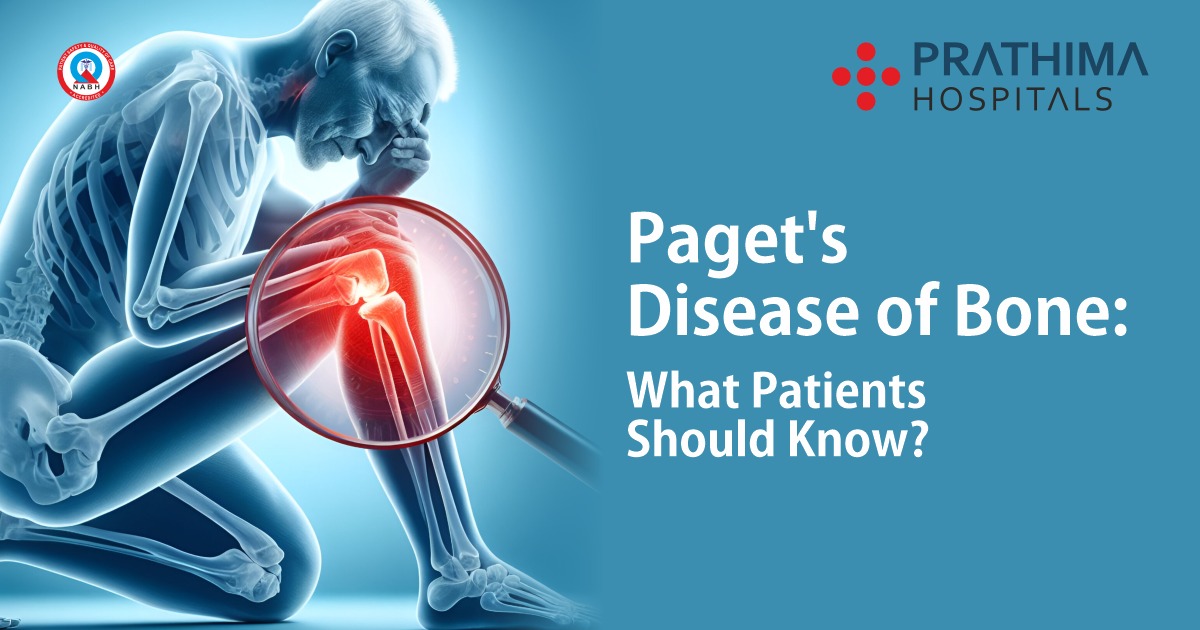
Symptoms, Causes, Diagnosis & Treatment
Paget’s disease of bone is a long-term condition that affects the normal cycle of bone renewal. Bones are living tissues that constantly break down and rebuild. In Paget’s disease, this process becomes irregular, causing bones to grow larger but remain weak and fragile. Managing such chronic bone and metabolic disorders often requires specialised care from experts, including consultation with the Best Orthopedic Hospital in Hyderabad for proper evaluation of bone metabolism.
At Prathima Hospitals, recognised as a Best Rheumatology Hospital in Hyderabad, we emphasise early awareness and timely diagnosis, as many people remain unaware of the condition due to mild or slowly developing symptoms. Our multidisciplinary approach ensures accurate diagnosis and personalised treatment plans. With proper medical care, long-term complications can be prevented, helping patients maintain stronger bones and better overall bone health.
What Happens in Paget’s Disease?
In healthy bones, old bone is removed and replaced in a controlled manner. In Paget’s disease:
- Bone breakdown happens too quickly
- New bone forms rapidly but lacks proper structure
- The affected bone becomes thick, weak, and deformed
This imbalance reduces bone strength and increases the risk of pain, deformity, and fractures.
Commonly Affected Bones
Paget’s disease may affect one or more bones, most often:
- Pelvis
- Spine
- Skull
- Thigh bones
- Lower leg bones
- Symptoms depend on which bones are involved.
Who Is at Higher Risk ?
Paget’s disease is more frequently seen in:
- Adults over 50 years
- Men
- Individuals with a family history of the condition
- While the exact cause remains unclear, genetic and environmental factors are believed to contribute.
While the exact cause remains unclear, specialists at the Best Hospital in Kachiguda recognise that genetic and environmental factors play a significant role in the development of Paget’s disease. Early evaluation and expert care help reduce the risk of complications and support better bone health.
Signs and Symptoms
Bone and Joint Pain
- Persistent, deep bone pain
- Pain that may worsen at night
- Stiffness and reduced movement in nearby joints
Visible Changes
- Bowing of the legs
- Change in posture
- Increase in skull size
Nerve-Related Issues
- Enlarged bones may press on nearby nerves, leading to:
- Numbness or tingling
- Muscle weakness
- Hearing loss if skull bones are affected
Fractures
- Affected bones may break more easily, even with minor injury.
Possible Complications
Without proper care, Paget’s disease may lead to:
- Severe joint arthritis
- Recurrent fractures
- Spinal nerve compression
- Reduced mobility
- Chronic pain
- Early detection helps reduce these risks.
How Paget’s Disease Is Diagnosed ?
Diagnosis is usually based on:
- Blood tests showing raised alkaline phosphatase levels
- X-rays revealing bone changes
- Bone scans to identify affected areas
These tests help determine the extent and activity of the disease.
Treatment Options
Treatment aims to slow abnormal bone activity and relieve symptoms. Care plans are customised based on disease severity and patient needs, often under the guidance of the Best Orthopedic Specialist in KPHB. Treatment may include:
- Medications that regulate bone turnover
- Pain relief measures
- Physiotherapy to improve strength and movement
- Surgery in rare cases of fractures or severe deformity
Not all patients require immediate treatment; regular monitoring and follow-up with the Best Hospital in Kukatpally are essential to ensure effective long-term management.
Living With Paget’s Disease
With timely treatment and follow-up, most patients lead active lives. Helpful measures include:
- Maintaining good posture and mobility
- Adequate calcium and vitamin D intake
- Fall prevention to reduce fracture risk
- Regular medical consultation
Paget’s disease of bone is manageable when identified early. Recognising symptoms, seeking timely medical evaluation, and following expert treatment advice at the Best Hospital in Hyderabad can help prevent complications and protect long-term bone health. Increased awareness encourages early care and supports comfort, strength, and independence.
.
.
For More Details:
 733 733 6600 | 040 4345 4345
 https://prathimahospitals.com/book-appointment/